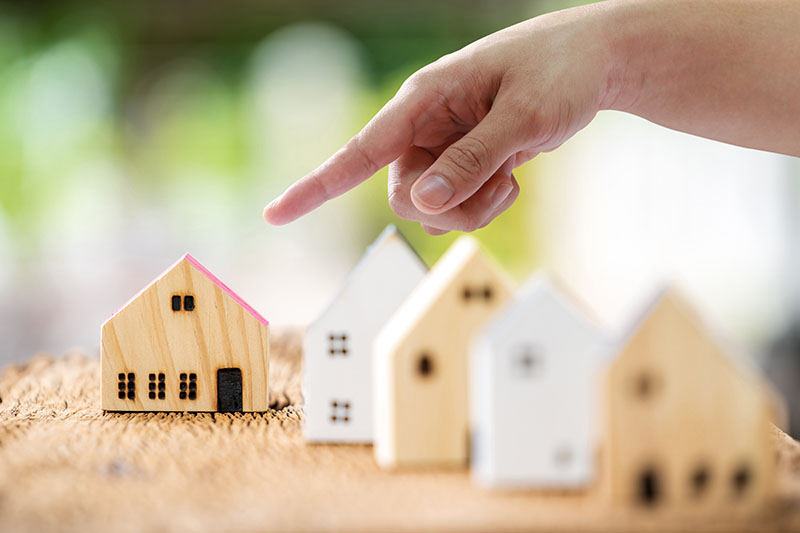
Whether this is your first or tenth home purchase, shopping for a new home is…
What to Look for in a Neighborhood When Buying a House
When you buy a home, you're also buying into a neighborhood. The house can be renovated, but the surrounding area is much harder to change, which is why it pays to evaluate the neighborhood as carefully as the property itself.
Start With How You Actually Live
The best neighborhood for someone else may not be the best one for you. Before touring homes, it can help to get specific about your daily life: where you commute, how you spend weekends, whether you have or plan to have children, and what kind of environment helps you feel at home. A lively, walkable area and a quiet, tucked-away street each appeal to different people. Naming your priorities first makes it easier to recognize the right fit when you see it.
Commute and Transportation
Daily travel has an outsized effect on quality of life. Consider:
- How long the commute to work or school typically takes, and what traffic looks like at peak times
- Access to highways, public transit, or bike routes if you use them
- How far everyday errands are, from groceries to the pharmacy
If you can, drive the route at the times you'd actually be traveling. A neighborhood can feel very different on a quiet Sunday than on a Tuesday morning.
Schools and Community Resources
Even if you don't have school-age children, the quality and reputation of local schools can matter for resale and community character. Beyond schools, look at the amenities that shape day-to-day life: parks, libraries, recreation centers, healthcare access, and gathering spots. These resources often signal a community that's invested in itself.
Safety and Peace of Mind
Feeling secure where you live is fundamental. Public resources and local crime information can offer one perspective, but it's also worth simply spending time in the area. Walking around, noticing how well homes and common spaces are maintained, and talking with a potential neighbor or two can tell you a lot that statistics can't.
The Feel of the Streets
Some things you only learn by being there at different times. Try visiting a prospective neighborhood:
- On a weekday and a weekend
- During the day and after dark
- In different weather, if your timeline allows
Pay attention to noise, traffic, lighting, and whether the area feels cared for. Are yards kept up? Are there signs of pride of ownership? These small cues often reflect the broader health of a neighborhood.
Future Growth and Development
Neighborhoods change over time. A little research into what's planned nearby can help you avoid surprises and spot opportunities:
- Planned construction, new roads, or commercial development
- Whether the area seems to be investing in itself or showing signs of decline
- Local zoning that might affect what gets built around you
Some development can be a positive sign of momentum, while other changes might affect noise or traffic. There's no single right answer, only what aligns with your preferences.
Practical Costs of the Area
Two homes with similar prices can carry different ongoing costs depending on location. It's worth understanding:
- Property tax levels in the area
- Whether a homeowners association exists and what its rules and dues involve
- Insurance considerations, which can vary by location and local conditions
These factors influence the true cost of living somewhere, so folding them into your thinking early can prevent surprises later.
Resale and Long-Term Value
Even if you plan to stay for many years, it's smart to consider how easy the home might be to sell down the road. Neighborhoods with steady demand, reasonable access to amenities, and a stable character often hold appeal for future buyers. You don't need to predict the market, but choosing an area with broad appeal can give you flexibility if your plans change.
Trust Your Own Observations
Data and research are valuable, but so is how a place feels to you. Walk it, drive it, and imagine your routines there. If a neighborhood checks the practical boxes and also feels like somewhere you'd be glad to come home to, that combination is worth a lot.
If you'd like to talk through how a neighborhood or home choice fits with your overall plans, the team at Clayhouse Mortgage is always happy to have a friendly conversation.
This article is general educational information, not financial or lending advice, and not a commitment to lend. Programs, eligibility, and terms vary by situation. Clayhouse Mortgage · Equal Housing Opportunity.

Related Posts